By Kenny Cook EngTech TMIET
When you take on a commercial lease, you often take on the building’s electrical installation too. Under many leases, especially full repairing and insuring leases, the tenant is responsible for keeping it safe and may have to hand it back in good condition at the end. A few checks before you sign can save a lot of money later.
Ask for the latest EICR
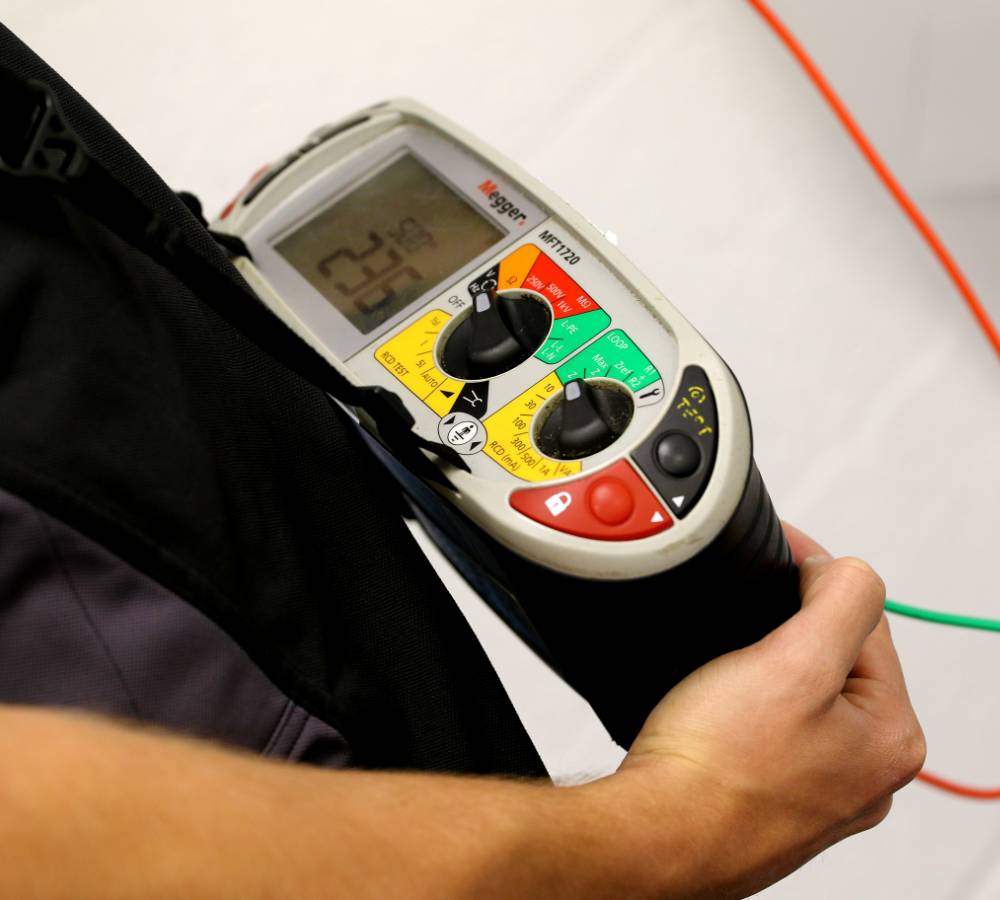
The Electrical Installation Condition Report shows the condition of the fixed wiring. Check when it was done, whether the result was satisfactory and whether any C1, C2 or FI items were listed. If there are outstanding defects, ask who will fix them before you move in. If there’s no report, or it’s out of date, ask the landlord to get one done or factor the cost in. Our guide explains what the EICR codes mean.
Check who is responsible for what
Your lease should say who looks after the electrical installation. In a single-let building on a full repairing lease that’s usually the tenant. In a multi-let building, the landlord or managing agent usually looks after the common parts and the landlord’s supplies, while tenants look after their own areas. If it’s unclear, get it clarified before you sign. Your solicitor is the right person to advise on the lease itself.
Make sure the supply is big enough
If you’re bringing in machinery, kitchen equipment, servers or EV chargers, check the building’s incoming supply and distribution can take the extra load. Increasing a supply can take months and cost a lot, so it’s much better to find out before you’re committed.
Look at emergency lighting and fire alarm records
Under fire safety law, the responsible person must keep emergency lighting and fire alarm systems maintained. Ask for the test logs and service records. Missing records often mean missing maintenance. Our guide covers how often emergency lighting should be tested.
Think about your fit-out
Any changes you make to the electrics during your fit-out will usually need the landlord’s consent, and the work must be certified. Keep every certificate. They’ll matter when you renew, assign the lease or hand the building back.
Record the condition when you move in
At the end of a lease, dilapidations claims can include electrical work. An EICR and photos at the start give you a record of what you took on, and if your solicitor attaches a schedule of condition to the lease, it can limit what you have to put right at the end.
Need a check before you sign?
We can carry out an EICR, look at supply capacity and give you a clear picture of what you’re taking on. Tell us about your project or call 01525 582582.
About the author: Kenny Cook EngTech TMIET has 15 years in the electrical trade and looks after sales and projects at Martin Cook Electrical Services. Got a question about your building’s electrics? Email kenny@martincookelectrical.co.uk.